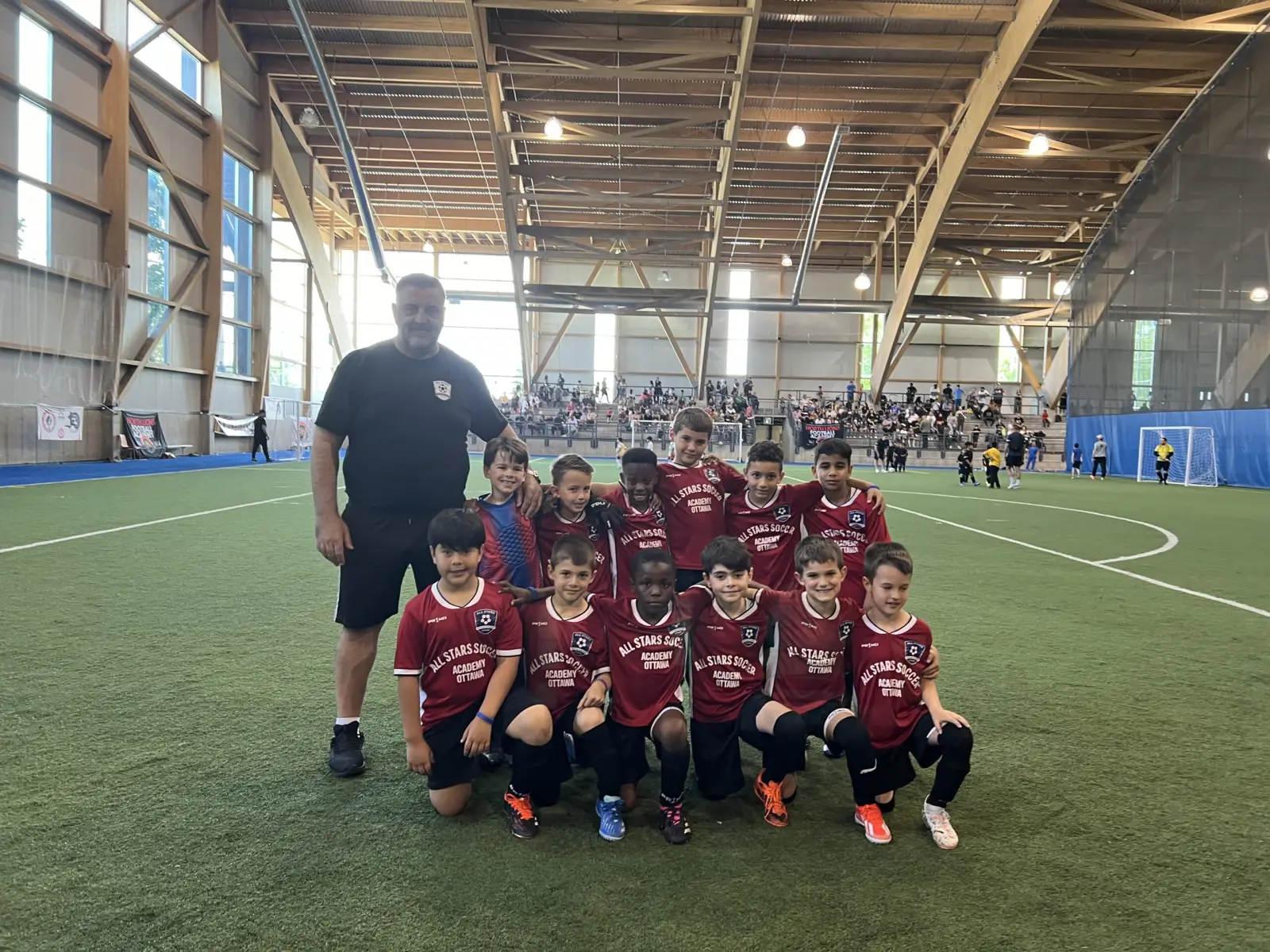


Most families pick a soccer program the way they pick a restaurant: whatever is closest, or whatever a friend mentioned at the school gate. Location and word of mouth both matter, but they only tell you part of the story. Choosing a youth soccer academy well comes down to asking a handful of direct questions, watching a session with your own eyes, and being honest about what your family can sustain for a full season.
This guide walks through the ten questions we would ask if we were in your shoes. It is the hub of our choosing an academy series, and each section points to a deeper article where one exists.
1. What does your player actually want?
Start at home, not with brochures. Some players want more touches on the ball and a stronger weak foot. Some want to make a competitive team next year. Some simply love the game and want to play more of it with good coaching. A six-year-old's answer will be very different from a fifteen-year-old's, and both are valid. Write down two or three goals together; they make every other question easier to answer.
2. Academy, house league, or both?
An academy and a community house league do different jobs. House league is usually about playing games with friends close to home; an academy is usually about structured, coach-led skill development. Many players do both. Our article comparing soccer academy vs house league lays out the trade-offs fairly so you can decide which mix suits your player.
3. Who is coaching, and what are their qualifications?
Ask for names and certifications, not just "experienced coaches". A coaching licence shows that a coach has been trained to plan sessions and teach technique for a given age group. It is not the only thing that matters, but it is a fair starting point. Our guide to what soccer coaching licences mean explains the Canadian and UEFA pathways in plain language, and you can see the All Stars team and their credentials on our coaches page.
4. What does a typical session look like?
A good session has lots of touches on the ball and very little standing in lines. Ask how the time is split between technical work, small-sided games and free play or scrimmage. Ask what the session theme is this week and how it connects to last week. At All Stars, sessions build ball mastery, passing and receiving, shooting, defending, attacking and the confidence to play out from the back, and coaches expect discipline, self-control and respect from every player.
5. How are players grouped?
Players learn best when they are challenged but not overwhelmed. Ask how the academy groups by age and ability, and what happens with a player who is well ahead of, or a little behind, their age group. A thoughtful answer here usually means the coaches are paying attention to individuals rather than running the same drill for everyone.
6. Which ages does it cover?
A program that runs from early childhood into the teenage years lets a player grow without switching environments every couple of seasons. All Stars works with boys and girls aged 5 to 16, so a player can start with fundamentals and carry on into more demanding training with coaches who already know them.
7. How often can my player train?
Flexibility matters more than most parents expect. A family with three children and a long drive might manage one session a week; a committed teenager might want four. Our development programs offer one, two or four sessions a week, with four sessions adding up to about six hours of soccer, plus competitive programs that run for 3, 6 or 12 months. If you are torn, read how often kids should train soccer before you decide.
8. What does it cost, and what is included?
Price on its own tells you very little. Ask what is included, what is extra, how payments work and what the cancellation rules are, before you pay. Our article on youth soccer academy costs lists the questions to ask any program. For All Stars specifically, current prices are on the programs page, each program includes one free academy T-shirt, and registration payments are non-refundable after 15 days of purchase.
9. What is the culture like?
Watch a session if you can, and watch the coaches as much as the players. Are players encouraged after a mistake, or only praised when they score? Do coaches learn names and give specific feedback? Is there respect between players, and between coaches and parents? The All Stars values are hard and honest work, technical excellence, respect and a family-like environment, and those are fair things to look for anywhere. Ask, too, how coaches let players and parents know how things are going.
10. Is the drive sustainable for a whole season?
The best program in the world does not help if getting there wears everyone out by November. Be realistic about weeknight traffic, siblings' activities and winter roads. Our training base is on Rouncey Rd in Kanata, and players travel from Kanata and Stittsville next door, from Barrhaven and Westboro, from as far east as Orléans and across the river from Aylmer. You can check every community on our drive times page, and a carpool can turn a long drive into a manageable one.
Putting it together
Once you have your answers, line up two or three options against your player's goals. The right academy is the one where your player is coached well, enjoys going, and can keep going all season. If All Stars looks like a fit, you can compare our development and competitive programs, contact the academy with questions, or create a free player profile and register with All Stars.
Questions parents ask
How do I know if a youth soccer academy is any good?
Watch a session. Look for lots of touches on the ball, little standing in lines, coaches who give specific feedback, and players who are encouraged after mistakes. Then ask about coaching qualifications and how players are grouped.
At what age should a child join a soccer academy?
There is no single right age. All Stars works with players from 5 to 16; younger players benefit most from fun, ball-heavy sessions, while older players can handle more structure and more sessions a week.
Can my child play house league and attend an academy at the same time?
Yes, many players do both. House league gives regular games with friends, and academy sessions add focused skill work. Just keep at least one full rest day in the week.
Should I choose the closest academy?
Distance matters because consistency matters, but the closest option is not always the best fit. Weigh coaching quality and session style against a drive you can realistically manage all season, and consider carpooling.