When you compare soccer programs, you quickly run into a wall of letters after coaches' names: provincial this, national that, UEFA something. It is easy to nod along without knowing what any of it means. This guide explains soccer coaching licences in plain language, what they can and cannot tell you, and the questions worth asking any coach before your player trains with them. It is part of our wider guide to choosing a youth soccer academy.
What a coaching licence actually is
A coaching licence or certification shows that a coach has completed formal coach education with a recognised soccer body. Depending on the level, that education usually covers how players develop at different ages, how to plan and run a session, how to teach technique and tactics, how to give useful feedback, and how to keep players safe. Higher levels typically involve more coaching practice, assessment by experienced coach educators, and work with older or more advanced players.
In short, a licence tells you that a coach has invested time in learning the craft and has been assessed against a standard. That is worth knowing.
What a licence does not tell you
A licence is not a guarantee of a great coach, and a missing licence is not proof of a poor one. Some excellent coaches are early in their certification journey; some highly qualified coaches are better suited to older players than to six-year-olds. A licence also says nothing about whether a coach is warm, patient and organised on a cold Tuesday night. Use qualifications as one piece of evidence, then watch a session.
Canadian coaching pathways
In Canada, soccer coach education is organised by Canada Soccer together with the provincial and territorial associations, such as Ontario Soccer here in Ontario. Broadly, the pathway has a few layers:
- Community-level courses aimed at parents and volunteers coaching young children, focused on fun, safe, age-appropriate activities.
- Provincial licences, delivered through the provincial associations, for coaches working with developing players who want more structure and progression.
- National licences, delivered by Canada Soccer, for coaches working with older, higher-level and high-performance players.
Course names, content and structure change from time to time, and the details differ between levels, so check Canada Soccer and Ontario Soccer directly for the current pathway rather than relying on any summary, including this one. Many coaches also hold specialist certifications, for example in goalkeeping or in coaching particular age groups.
UEFA licences
UEFA, the governing body for soccer in Europe, sets the standards for coaching licences that its member national associations deliver. The UEFA licences progress through several levels, and the UEFA Pro licence is the highest coaching qualification in the UEFA system. It is the level associated with coaching at the top of the professional game. Coaches who trained in Europe often hold UEFA licences alongside, or instead of, Canadian ones, and both tell you the coach has gone through structured, assessed coach education.
Safeguarding matters as much as tactics
For youth soccer, the qualification parents should never skip asking about is safeguarding. Responsible clubs and academies expect coaches to complete safeguarding or respect-in-sport style training and appropriate background checks. Ask what is required and how it is kept up to date. A good academy will answer without hesitation.
Our coaching team
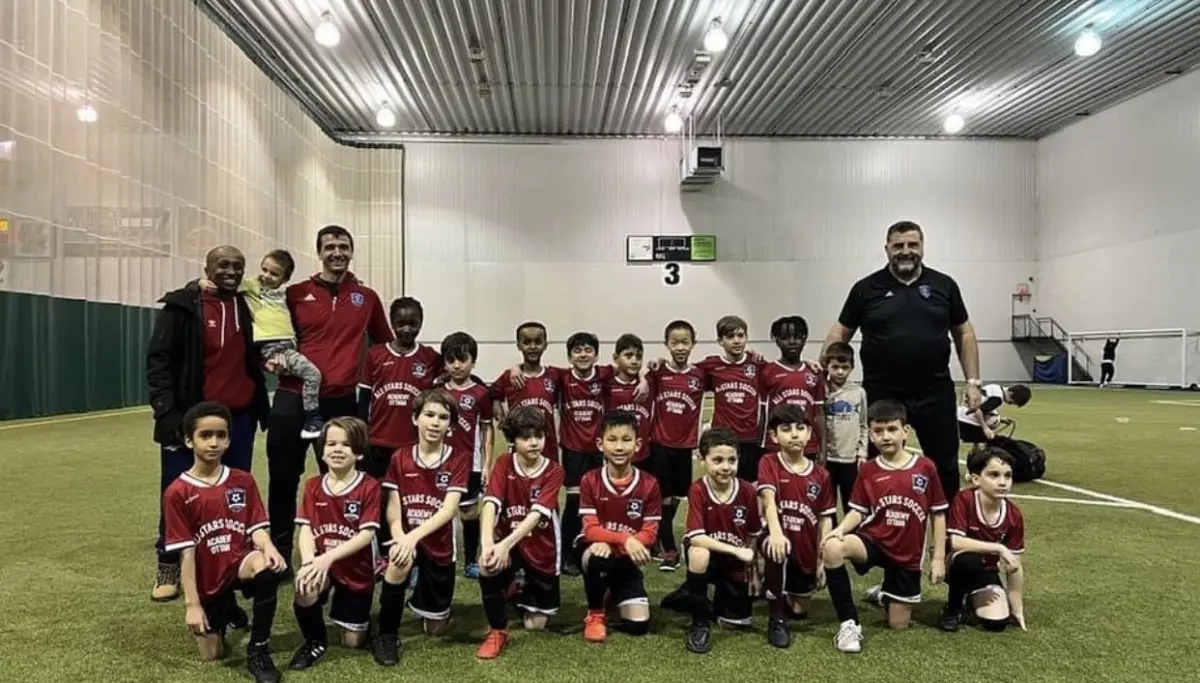
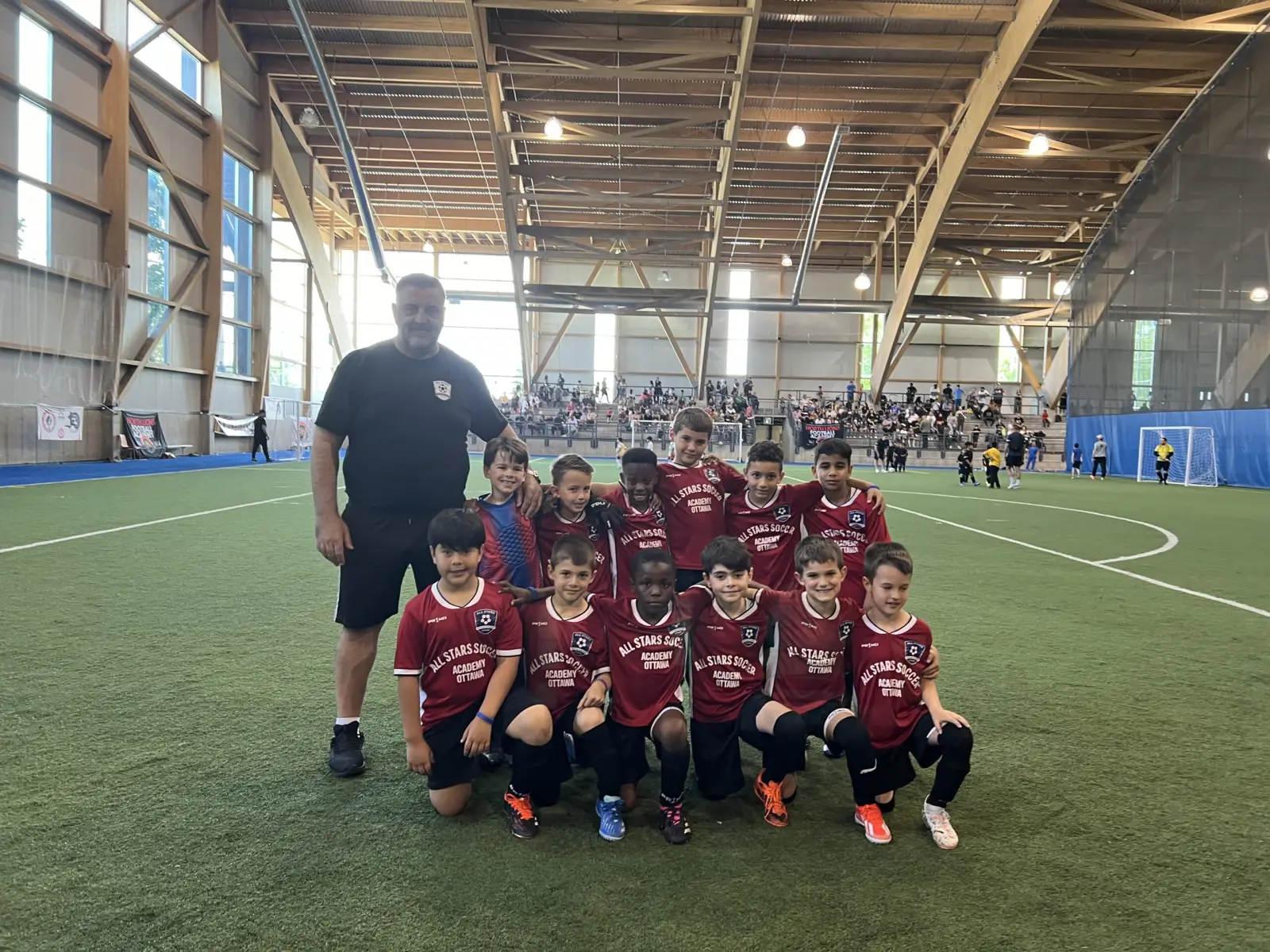
All Stars is led by owner, technical director and head coach Samir Karaga, whose credentials include UEFA PRO, Canada Soccer National B and Canadian Soccer for Life, along with professional playing experience and decades of coaching. Development coach Haris Karaga is working towards his Provincial C licence, Anthony Manchini holds Canada Soccer technical certifications, Sara and Seila Karaga coach across the academy, and Ryan Lindsay brings experience as a former professional player and soccer scout. You can read more on our coaches page.
That mix is deliberate. Young players benefit from coaches at different stages: highly experienced coaches shaping the overall approach, and developing coaches bringing energy and close attention on the field.
How to check a coach's credentials
It is perfectly reasonable to ask a coach or academy which licences a coach holds and when they were earned. Most coaches are proud of the work they have put in and happy to explain it. If something is unclear, the provincial association or the issuing body can usually tell you what a qualification involves.
Questions to ask any coach
- Which certifications do you hold, and which age groups were they designed for?
- Are you working towards any further licences?
- How do you plan a session for this age group, and how does it build on last week?
- How do you give feedback to players, and how do parents hear about progress?
- What safeguarding training and background checks have you completed?
Coaching quality and training frequency go together
A well-qualified coach can only help if your player is in the room often enough for learning to stick. Our article on how often kids should train soccer helps you choose a sensible weekly rhythm. And if you are weighing structured coaching against community soccer, our fair comparison of academy training vs house league explains what each does best. If cost is part of your decision, our guide to youth soccer academy costs lists what to ask before you pay.
Players travel to train with our coaches at our Rouncey Rd base in Kanata from Kanata, Central Ottawa, Almonte, Arnprior and many other communities. When you are ready, view our development and competitive programs or create a free player profile and register with All Stars.
Questions parents ask
What is the highest soccer coaching licence?
In the UEFA system, the UEFA Pro licence is the highest coaching qualification. In Canada, national licences from Canada Soccer sit above the provincial levels; check Canada Soccer for the current structure.
Does my child's coach need a licence?
Requirements vary by organisation and level. For any youth coach, safeguarding training and background checks matter most, and formal certification is a good sign of commitment to coaching well.
Is a UEFA licence recognised in Canada?
A UEFA licence shows structured, assessed coach education. How it maps onto Canadian requirements is decided by Canada Soccer and the provincial associations, so check with them for specific roles.