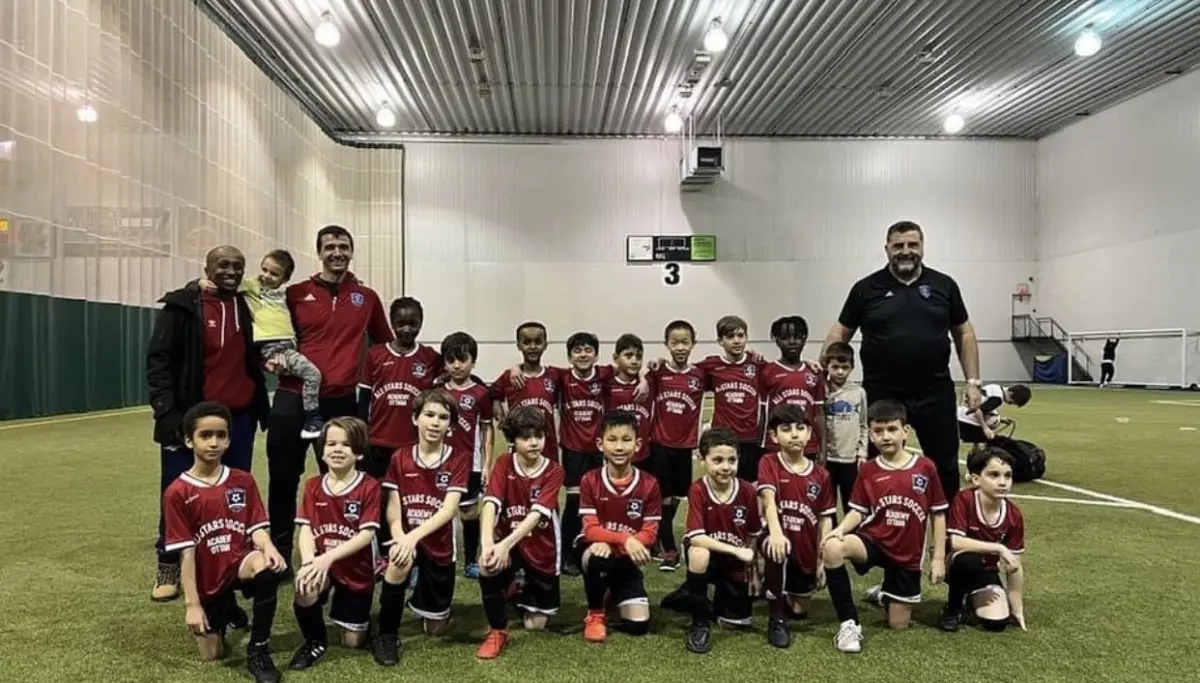

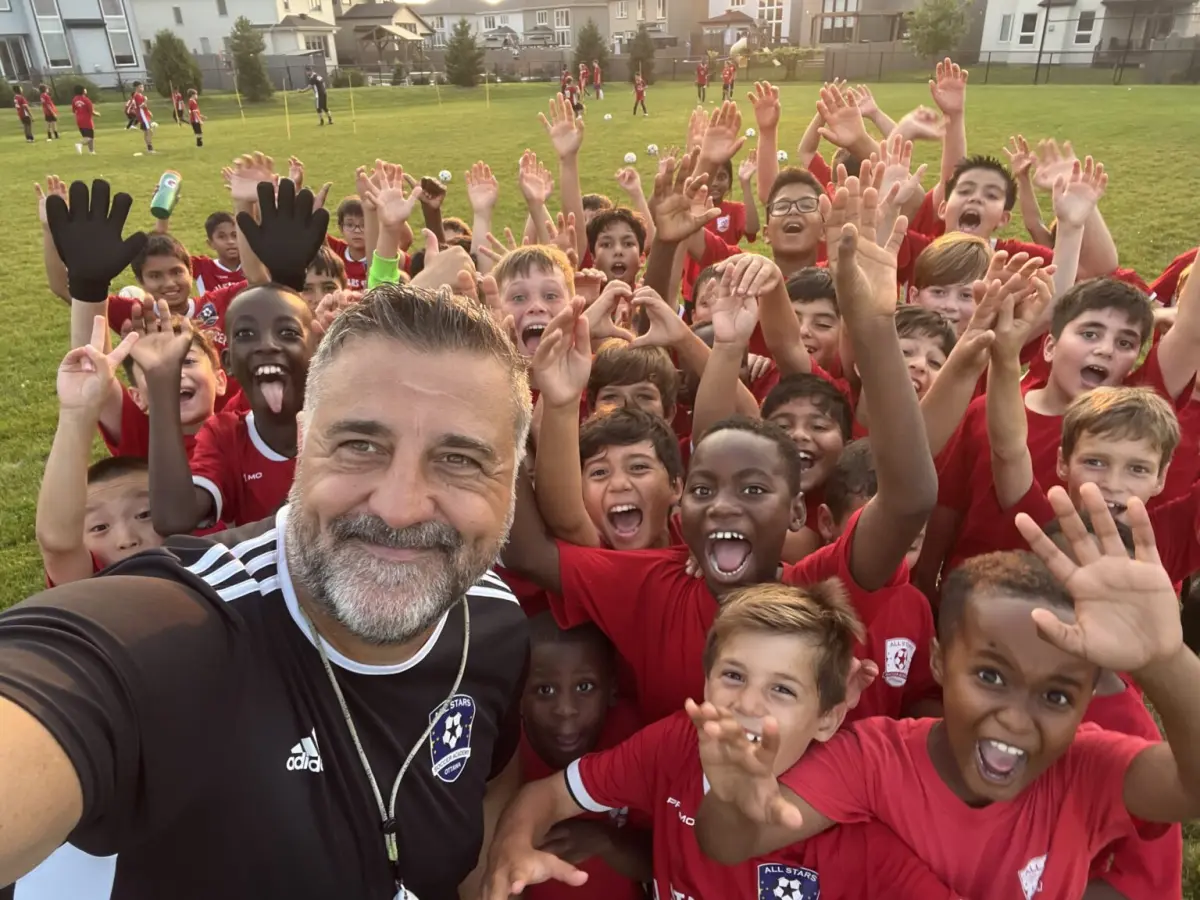
Joining a new soccer academy is exciting and, for many young players, a little nerve-wracking. New coaches, new teammates, a new place and new expectations all arrive at once. The first week at a soccer academy sets the tone for everything that follows, and a little preparation from the family makes it much easier. Here is what to expect at All Stars Soccer Academy Ottawa and how to help your player settle in.
Before the first session
- Register and check the details. Once you register your player with All Stars, you can also set up a free Play 2 Earn Sports player profile under the academy.
- Know the program. Re-read what your program includes on the programs page, including how many sessions a week you have chosen. Registration payments are non-refundable after 15 days of purchase, so ask any questions early.
- Plan the trip. Our training base is on Rouncey Rd in Kanata. Use our guide to getting to soccer training in Kanata and do a trial drive at the same time of day if you can.
- Pack the bag the night before using our training bag checklist for young players, with the right shoes for indoor turf or grass.
Arriving
Aim to arrive early enough that your player can change shoes, fill a water bottle and say hello without rushing. For families coming along Robertson Rd and Hazeldean Rd from Bells Corners, West Hunt Club Rd from Nepean, or Hwy 417 from Westboro and Central Ottawa, weekday traffic can be unpredictable, so give yourself a buffer. Introduce your player to the coach by name and mention anything the coach should know, such as allergies, a past injury or a medical condition.
Meeting the coaches
All Stars is led by Samir Karaga, the academy's owner, technical director and head coach, who holds a UEFA PRO licence and the Canada National B licence. He works alongside a coaching team that includes development coach Haris Karaga, youth coach Anthony Manchini, academy coaches Sara and Seila Karaga, and former professional player and scout Ryan Lindsay. You can read more about each of them on the coaches page. Coaches will usually spend the first sessions getting to know each player's strengths, habits and personality.
What the first sessions look like
Every session works on the fundamentals that run through the whole academy: ball mastery, passing and receiving, shooting, defending, attacking, and the confidence to play out from the back. In the first week, expect your player to:
- Be observed. Coaches watch how a new player moves, controls the ball and makes decisions, so they can pitch the work at the right level.
- Learn the routines. How the warm-up runs, where to put bags and bottles, how to listen when the coach stops play.
- Feel challenged. Academy training asks for focus and effort. Feeling stretched is normal and is how players improve.
- Meet expectations of behaviour. Our coaches instil discipline, self-control and respect, for coaches, teammates and the game.
Nerves are normal
Many players are quiet or unsure in their first week, even ones who are confident at school or in their old team. A few things help:
- Talk about what to expect before the first session, so nothing comes as a surprise.
- Keep pre-session conversation light; avoid piling on expectations.
- Remind them that every player in the group was new once.
- If they ride with another family, the time in the car is a great way to make a friend. Our guide to setting up a soccer carpool west of Ottawa explains how families on the same roads, such as Carp Rd from Carp or Hwy 7 from Appleton, share the driving.
After each session
The drive home is a good time to listen. Instead of "Did you win the scrimmage?", try:
- "What was the hardest thing you tried today?"
- "What did the coach ask you to work on?"
- "Who did you talk to?"
If the coach gave the player something to practise, a few minutes at home helps. Our 15-minute ball mastery routine at home is an easy place to start.
How parents can help in week one
- Be on time, both for drop-off and pick-up.
- Let the coaches coach. Encouragement from the side is great; instructions from the side can confuse a new player.
- Share concerns privately. If something is worrying you or your player, speak to the coach after the session or get in touch through the contact page.
- Be patient. Settling in takes more than a week, and progress in soccer comes from weeks and months of consistent training.
Signs your player is settling in
By the end of the first week or two, look for small signs of progress rather than big ones: packing their own bag without reminders, knowing a few teammates by name, recognising the warm-up routine, or coming home talking about a specific skill they tried. These are the foundations that technical improvement is built on.
Looking ahead
Once the first week is done, the focus shifts to consistency: regular training, good habits and enjoying the game. If your player wants to build towards competitive events later, our youth soccer tournament preparation guide covers what those days involve. And if you are still deciding how often to train, read about one, two or four sessions a week.
Questions parents ask
What should my child wear to the first session?
A training top and shorts, shin guards with long socks, and the right shoes for the surface: turf shoes for indoor turf, cleats for grass. The free academy T-shirt included with every program is ideal.
Can parents watch the first week?
Ask the coach when you arrive about where families can wait or watch. Wherever you are, keep sideline comments to encouragement and let the coaches lead.
What if my child does not enjoy the first week?
Give it time; new environments take a while to feel comfortable. Talk to your player about what felt hard, and share any concerns with the coach so they can help.